Niamey is not a city of grand monuments, but it rewards curious visitors with lively markets, an unusual open-air national museum, Sahelian architecture and the ever-present Niger River. Most of the city's highlights sit close to the river and to the Kennedy roundabout, which makes them easy to combine in short outings. This guide lists the main things to do in Niamey and adds practical advice for each.
Travel advisory (October 2026): the US State Department rates Niger Level 4 – Do Not Travel, and the UK Foreign, Commonwealth & Development Office advises against all travel to Niger, including Niamey. Several other governments give similar advice. Check your own government's latest guidance, and your travel insurance, before planning any trip.
1. Musée National Boubou Hama
Founded in 1959 and spread over about 24 hectares of gardens, the National Museum is unlike most museums: its collections are housed in separate pavilions, alongside a small zoo, traditional houses of Niger's main peoples and craft workshops. Highlights include dinosaur skeletons found in Niger, prehistoric rock art and the remains of the famous Tree of Ténéré. It lies directly opposite Hotel Gaweye. Read our full guide to the Musée National Boubou Hama.
Tip: go early in the morning, before the heat, and allow at least two hours.
2. The Grand Marché
Niamey's great central market is a vast maze of stalls and the commercial heart of the city. You will find fabrics, spices, household goods, leather, jewellery and food, along with an atmosphere that tells you a lot about daily life in Niger.
Tip: go with a trusted local guide, carry small notes in CFA francs, keep valuables out of sight and ask before photographing people or stalls.
3. The Petit Marché
Smaller and closer to the centre, the Petit Marché is the place for fruit, vegetables and everyday shopping. It is a good introduction to local produce such as mangoes, guavas, hibiscus flowers for bissap juice and the ingredients used in Nigerien dishes. Our Nigerien food guide explains what to look for.
4. The Grand Mosque of Niamey
Built in the 1970s with Libyan funding, the Grand Mosque is the city's principal mosque and a prominent landmark, with domes, decorated pillars and a tall minaret. Non-Muslim visitors should ask permission before entering, avoid prayer times, especially on Friday, and dress modestly: long trousers or skirts and covered shoulders, with a headscarf for women.
5. Sunset over the Niger at the Kennedy Bridge
Completed in 1970, the Kennedy Bridge connects the two banks of the Niger and long symbolised the city's growth. The river views at sunset, with pirogues and fishermen silhouetted against the sky, are among the most memorable sights in Niamey. Remember that photographing bridges and security installations can be prohibited; enjoy the view and ask before taking pictures. Learn more in our article on the Niger River at Niamey.
6. Wadata craft village and artisan workshops
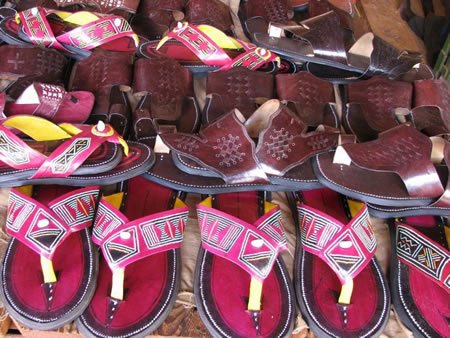
Nigerien craftsmanship is famous across West Africa: Tuareg silver jewellery such as the Agadez cross, leatherwork, embroidered textiles and pottery. The Wadata craft village and the workshops at the National Museum let you watch artisans at work and buy directly from them. Hotel Gaweye also has handicraft boutiques on its ground floor.
7. A pirogue on the river
Before the security situation deteriorated, short pirogue trips on the Niger were a classic Niamey experience, with the chance to see riverside gardens, birds and sometimes hippos further from the city. Today, any river outing should only be considered with trusted local organisers and after checking current restrictions; many advisories recommend avoiding such excursions.
8. Day trips: proceed with great caution
Destinations such as the giraffe zone at Kouré, about 60 kilometres east of Niamey, or the sand dunes near the city were once popular weekend outings. Foreigners now need authorisation and escorts to leave Niamey, and attacks have occurred in these areas. Do not travel outside the capital without official clearance and up-to-date security advice.
Suggested half-day plan
| Time | Activity |
|---|---|
| 08:00 – 10:30 | National Museum pavilions, zoo and craft workshops |
| 10:30 – 12:00 | Petit Marché or handicraft shopping with a guide |
| 12:30 | Lunch at La Potinière or another trusted restaurant |
| Late afternoon | Rest, then river views at sunset and dinner on the poolside terrace |
Practical tips for exploring Niamey
- Move by pre-arranged car rather than on foot, especially after dark.
- Avoid crowds, demonstrations and political gatherings.
- Carry ID, cash in small notes and water.
- Learn a few greetings in Zarma or Hausa; see our etiquette guide.
- Plan outdoor visits for the cooler months; see best time to visit Niamey.
Shopping for crafts: what to look for
Nigerien crafts make meaningful souvenirs when they are bought thoughtfully. Silver jewellery, especially the various versions of the Agadez cross, is the most famous; ask whether the piece is solid silver or plated, and compare a few workshops before buying. Leather goods, from cushions to bags and sandals, are traditionally dyed in deep reds, greens and blacks. Woven blankets, embroidered fabrics and pottery are also widely available.
Buying directly from artisans at the National Museum or the Wadata craft village ensures more of your money reaches the maker. Avoid items made from protected wildlife, such as ivory or certain skins, which are illegal to export.
Evenings in Niamey
Because advisories recommend limiting movement after dark, most visitors spend evenings at their hotel. At Hotel Gaweye, that means dinner at the poolside barbecue, a drink at the Bar Rive Gauche or simply watching the river at sunset. If you go out, use a pre-arranged driver and return early.
Frequently asked questions
What is the number one attraction in Niamey?
For most visitors, the Musée National Boubou Hama, thanks to its unusual pavilions, dinosaur fossils, zoo and craft workshops.
Is it safe to walk around Niamey?
Advisories recommend minimising movement on foot and avoiding travel after dark. Use trusted drivers and follow local advice.
Can I visit the giraffes from Niamey?
Kouré is close to the capital, but foreigners need authorisation and escorts, and the area has seen a deadly attack. It is not recommended under current conditions.
How many days do I need in Niamey?
Two full days are enough to see the National Museum, the markets, the Grand Mosque from outside and the river at sunset, at a relaxed pace.
Conclusion
Niamey's best experiences are simple: a morning in the National Museum, the colours of the markets, the call to prayer from the Grand Mosque and sunset over the Niger. Plan short, well-organised outings, keep safety at the centre of every decision, and use our other Niamey guides to prepare.
Planning a stay in Niamey? Discover Hotel Gaweye's rooms, restaurants and meeting rooms by the Niger River.
Hôtel GaweyeRooms & suites